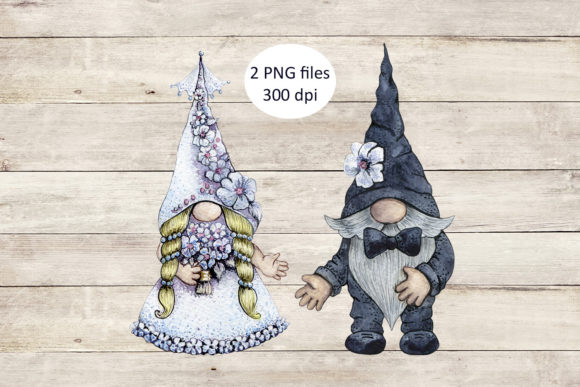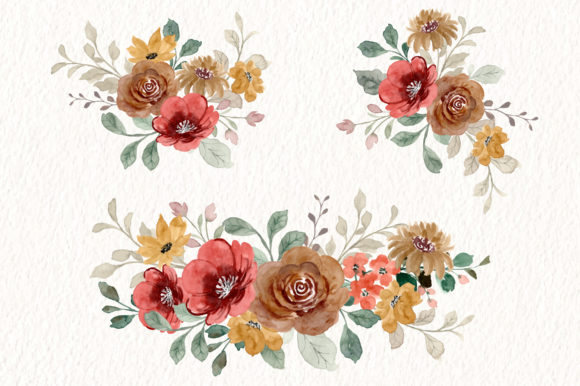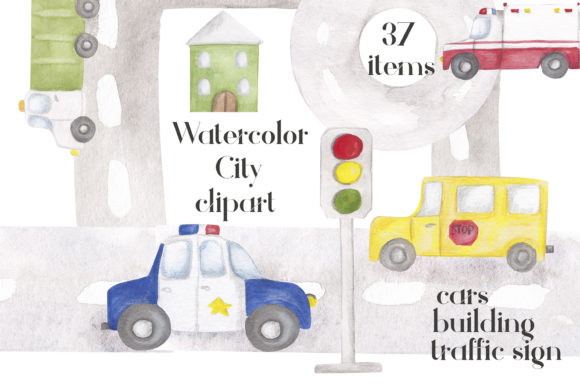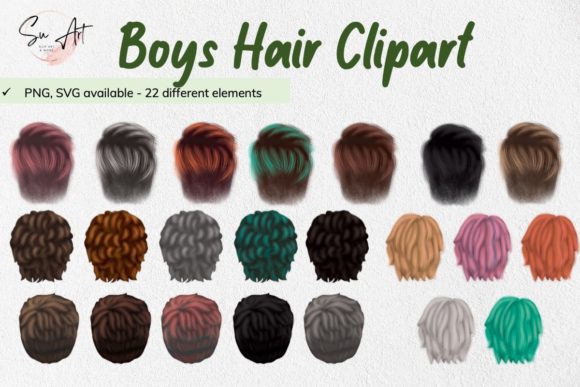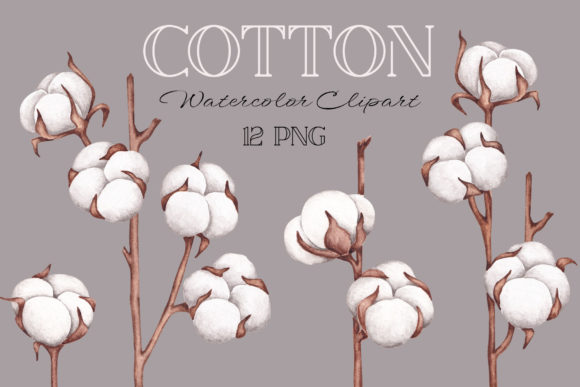
Watercolor Clipart “Cotton” and Illustrations
As a blog designer and digital publisher, I’m always on the lookout for graphic design assets that elevate content without overwhelming it. Watercolor Clipart “Cotton” is one such asset that brings a soft, artistic touch to editorial design, web design, and content marketing efforts. Its delicate, hand-painted aesthetic makes it ideal for blogs, newsletters, and digital guides that aim to feel approachable and visually engaging.
First Impressions: A Soft, Lively Mood
From the first glance, Watercolor Clipart “Cotton” exudes a gentle, feminine energy. The watercolor style feels handmade, which can help build reader trust by suggesting authenticity and care in content creation. It’s not overly bold or modern—it leans more toward a lifestyle-focused, creative vibe that supports niches like wellness, home decor, DIY projects, and personal development.
This clipart feels right at home in content that aims to be inviting rather than aggressive. It doesn’t scream for attention but instead invites readers to pause and explore. For publishers, this means it can serve as a subtle but effective visual element that complements headlines and body text without distracting from the message.
Real-World Publishing Uses
Watercolor Clipart “Cotton” is incredibly versatile when it comes to blog graphics and editorial design. Here are some of the most practical applications:
- Blog Featured Images: Use it as a background or overlay for article headers to add a warm, artistic touch.
- Pinterest Pins: The soft colors and clean lines make it perfect for eye-catching Pinterest visuals that drive traffic to your site.
- Article Headers: Pair it with a strong headline to create a more dynamic and professional-looking post.
- Website Banners: Add it to your homepage or category pages to enhance brand identity and visual appeal.
- Newsletter Graphics: Use it as a header or divider to break up content and keep readers engaged.
- Lead Magnets: Incorporate it into downloadable resources like worksheets, checklists, or printable guides to make them more appealing.
- Social Media Posts: Ideal for Instagram stories, Facebook posts, and Twitter cards that need a touch of creativity.
It also works well within Canva templates, digital guides, and printable design projects, making it a valuable addition to any content creator’s toolkit.
Supporting Content Performance
Visual hierarchy is key in content marketing, and Watercolor Clipart “Cotton” helps establish a clear, consistent look across your website. When used strategically, it can:
- Enhance First Impressions: A well-designed image can make or break a visitor’s decision to stay on your site.
- Improve Click-Through Rates: Attractive visuals encourage users to engage with your content.
- Strengthen Brand Identity: Consistent use of design assets builds recognition and trust.
- Boost Reader Trust: High-quality, cohesive visuals signal professionalism and reliability.
- Clarify Visual Hierarchy: It can guide the eye and emphasize important elements like headlines or calls to action.
For publishers, this means Watercolor Clipart “Cotton” isn’t just an aesthetic choice—it’s a strategic one that supports better user experience and content performance.
Where It Shines: Editorial and Digital Applications
This clipart excels in situations where a soft, artistic touch is needed. It’s perfect for:
- Hero Images: Create a welcoming first impression on landing pages or blog homepages.
- Article Thumbnails: Make your content stand out in search results and social media feeds.
- Blog Graphics: Use it as a decorative element in sidebars, headers, or section dividers.
- Editorial Accents: Add subtle flair to long-form articles or magazine-style posts.
- Content Upgrades: Enhance lead magnets with custom illustrations that reflect your brand.
- Downloadable Resources: Improve the look of free guides, printables, or templates.
- Social Media Previews: Make your posts more eye-catching and shareable.
It’s especially useful for publishers who want to maintain a cohesive look across multiple platforms without sacrificing creativity.
When to Use It Carefully
While Watercolor Clipart “Cotton” is highly versatile, it’s not a one-size-fits-all solution. Avoid using it in:
- Small Mobile Thumbnails: The fine details may not translate well on smaller screens.
- Text-Heavy Blog Images: It can become lost in dense blocks of text.
- Low-Contrast Backgrounds: Ensure there’s enough contrast to maintain visibility.
- Busy Layouts: It may clash with other design elements or overwhelm the page.
- Serious Professional Niches: It may not align with the tone of corporate or legal content.
- Minimalist Websites: It could feel out of place if the overall design is very simple.
Always test it in real publishing scenarios before committing to its use across your entire site.
Publisher Notes: Practical Tips for Using Watercolor Clipart “Cotton”
To get the most out of Watercolor Clipart “Cotton,” follow these best practices:
- Test on Desktop and Mobile: Ensure it looks good on all screen sizes.
- Check Thumbnail Quality: Make sure it scales down well for social media and search results.
- Preview in Real Blog Layouts: See how it interacts with other design elements.
- Test with Headline Text: Ensure readability and visual balance.
- Check Contrast and Readability: Avoid placing it over dark or complex backgrounds.
- Try It in Black and White: See how it performs in monochrome environments.
- Place It Beside Different Fonts: Test it with serif, sans serif, script, and display fonts.
- Review File Size: Optimize for web performance without losing quality.
- Compress Images Properly: Use tools like TinyPNG or Adobe Photoshop for efficient compression.
- Confirm Commercial License: Ensure you have the right to use it on monetized sites, affiliate pages, or paid content.
These steps will help you integrate Watercolor Clipart “Cotton” seamlessly into your content strategy while maintaining high standards of design and usability.
Conclusion: A Thoughtful Addition to Your Design Toolkit
Watercolor Clipart “Cotton” is more than just a pretty image—it’s a powerful tool for bloggers, publishers, and content creators looking to enhance their visual storytelling. Whether you’re designing a digital guide, creating a lead magnet, or crafting social media graphics, this asset offers a fresh, artistic approach that can elevate your brand and improve user engagement.